Frequency, Occurrence And Bothersomeness Of Urinary Incontinence Between 6 Weeks And 1 Year Post-partum: A Systematic Review And Meta-analysis
Urinary Incontinence The overall prevalence reported by Thom et al. between 2 and 13 weeks post-partum was 33.3%. This may be as a result of the reality that Thom et al. did not report a weighted prevalence. With protective urinary incontinence products, you can remain to delight in bonding with your baby. After you've completely recouped from giving birth, speak with your healthcare provider regarding your urinary incontinence and begin taking steps to reclaim control of your bladder. Some ladies might benefit from extra therapy or therapies for postpartum urinary incontinence, such as physical therapy, bladder assistance gadgets, drug or surgical treatment for sure sorts of urinary incontinence. The outcomes reveal a total mean occurrence price of UI as much as 1 year post-partum of 31%, with a range of 10% to 63%.
We browsed the electronic data sources of PubMed, EMBASE and CINAHL.
Clearing your bladder before tasks, including exercising, can additionally help limit leak.
Studies reveal that greater than a 3rd of females that deliver vaginally have some damages to these anal muscular tissues.
Persistence, Progress, And Suitable Lots Administration Secrets To Recuperation
Bring back excellent auto mechanics, effective motion patterns, and stability keeps you running without leakages. Additional treatments like healing ultrasound and hormone-balancing light treatments improve results by beneficial tissues. Investing devotion right into appropriate progressive loading methods prevents long-term issues like pelvic organ prolapse or recurrent leakage. With enough persistence and smart pacing, you will restore your prebaby running bliss again. Postpartum recovery calls for ample time for overstretched and traumatized tissues to redesign and enhance. Hurrying back right into intense workout prematurely overstresses at risk locations, provoking reinjury and delaying healing. The modern-day motion of childbirth education and learning is tremendously important in assisting to enlighten females concerning labor, childbirth, breastfeeding and taking care of a newborn. Doctors rarely have time to chat with their patients in any type of detail regarding the steps of labor and giving birth, and giving birth teachers load this need well. Lots of giving birth instructors also concentrate on staying clear of medical treatments that interfere with a "natural" birth, especially cesarean section. As your maternity advances, your growing womb will push against your bladder and other organs. Hold your horses as you work with your doctor or nurse on a treatment plan. It might take a month or longer for various treatments to begin working. Your doctor or registered nurse will certainly do a physical examination to try to find indications of health issue that can create incontinence.
The length of time does bladder urinary incontinence last after childbirth?
For some individuals urinary incontinence will certainly solve automatically as the pelvic floor heals. After a few weeks postpartum you must start to observe Look at this website signs and symptoms improving. If you observe signs and symptoms are not enhancing by 6 weeks postpartum or if you ever discover signs and symptoms becoming worse, it is time to reach out for help.
You can never fully anticipate what maternity, labor, distribution, and life will bring. Our group is a trusted source for details - get in touch with us below. You can thank your increasing uterus for taxing the bladder and making you spray when you stroll, chat, laugh and sneeze. Yet preventing your cherished running fails to take care of foundational instabilities bolstering troubles lasting. Your urethra is a tube that attaches to your bladder, and it enables pee to flow out. As your bladder loaded with pee, the bladder muscular tissues kick back while the sphincter muscle mass maintain your bladder shut until you prepare to pee.
Does Cesarean Area Protect Versus Prolapse And Urinary Incontinence?
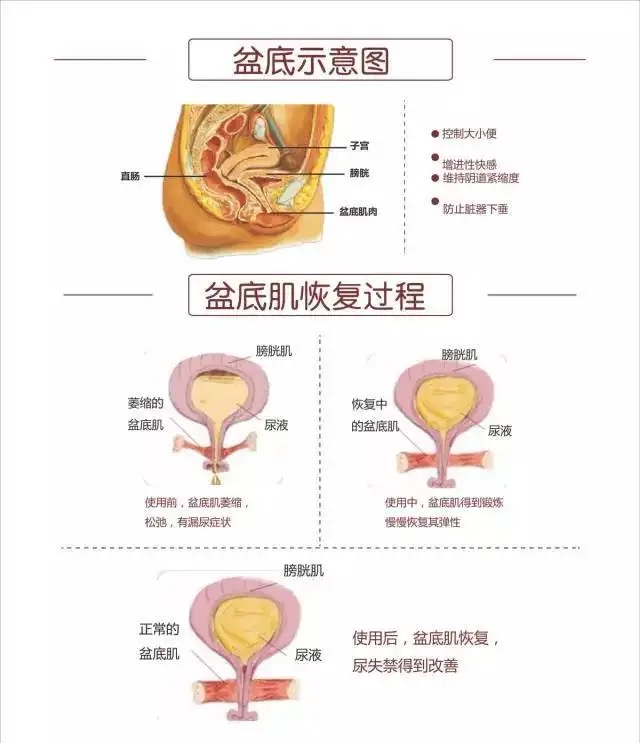
And, bring to life a baby's head the dimension of a tiny melon is no little accomplishment! If you are uncomfortable or unsure concerning doing Kegel exercises by yourself, a doctor or registered nurse can additionally teach you how to do Kegels. A pelvic floor physiotherapist or other expert might additionally be readily available in your location to help instruct you how to reinforce these muscle mass. Many females presume leaking while active months after distribution remains unavoidable - just component of being a mommy. Or that with advanced age, crashes need to be handled versus rectified. Breath holding and pressing out forcibly as opposed to inhaling deeply/exhaling totally throughout physical effort prompts pelvic flooring descent. Appropriate three-dimensional breathing technicians train optimal diaphragmatic and pelvic floor sychronisation, reducing leaks.
Pelvic Trainer Gadgets
Urinary urinary incontinence can imply you leakage a percentage of urine or release a lot of urine all at once. Incontinence is involuntary pee leak, and postpartum urinary incontinence is leak that develops after childbirth. If you have pelvic discomfort, bladder, bowel, or various other pelvic signs and symptoms that are influencing your quality of life, you can obtain the relief you've been seeking with Hinge Health and wellness's Urinary sphincter online exercise treatment program. Some individuals may additionally create urge incontinence after having an infant. This sort of urinary incontinence is marked by a sudden, intense impulse to pee, adhered to by leak-- in some cases without much warning and no matter exactly how complete your bladder is. Long-term urinary incontinence after having a child isn't typical, and it is necessary to acknowledge the indications so you can get the treatment you need. Certain foods and beverages can irritate the cellular lining of your bladder, bring about enhanced necessity, regularity, or leakage. Typical bladder irritants include high levels of caffeine (located in coffee, tea, chocolate, and some sodas), carbonated drinks, alcohol, spicy foods, sweetening agents, and acidic foods like citrus fruits and tomatoes.